Black Cabs vs. Uber: What’s the Best Way to Get Around London?
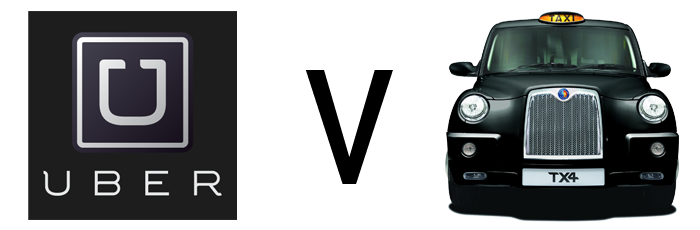
Getting around London is easy — but choosing between a traditional black cab and Uber can be confusing. Both are widely available across the capital, including major transport hubs like Heathrow, Gatwick, and Central London.
So which is better? Which is cheaper? And which makes more sense for airport travel?
In this 2026 comparison guide, we break down:
-
Cost differences
-
Convenience factors
-
Reliability at airports
-
Surge pricing vs metered fares
-
Which option suits different travellers
What Are London Black Cabs?
Black cabs (also called Hackney carriages) are London’s iconic taxis.
✔ Key Features:
-
Licensed by Transport for London
-
Drivers must pass “The Knowledge” (extensive city route exam)
-
Can be hailed on the street
-
Use a regulated meter system
How Pricing Works:
Black cabs operate on metered fares, meaning:
-
Traffic increases the total cost
-
Time spent waiting increases the fare
-
Late-night tariffs may apply
Typical Central London Fare:
£15–£35 for short journeys
£60–£120+ for airport trips
What Is Uber in London?
Uber operates through a mobile app and uses dynamic pricing.
✔ Key Features:
-
Book through the app
-
Fare estimate shown before confirming
-
Cashless payments
-
Various vehicle categories (UberX, Exec, XL)
How Pricing Works:
Uber uses surge pricing, meaning fares increase when:
-
Demand is high
-
Drivers are limited
-
Weather conditions worsen
-
Airports are busy
Typical airport journeys: £60 – £130+, depending on demand.
Black Cabs vs Uber: Cost Comparison
| Feature | Black Cab | Uber |
|---|---|---|
| Pricing Model | Metered | Dynamic |
| Traffic Impact | Higher fare | Higher fare |
| Surge Pricing | No | Yes |
| Upfront Price | No | Estimated |
| Street Hail Option | Yes | No |
| App Booking | Limited | Yes |
Airport Travel: Which Is Better?
Airport journeys highlight the biggest differences.
Black Cabs at Airports:
-
Available at taxi ranks
-
Meter runs immediately
-
Traffic increases fare
-
No flight monitoring
Uber at Airports:
-
Pickup points assigned
-
Surge pricing is common during arrivals
-
Drivers may cancel during peak demand
Pre-Booked Airport Transfers:
-
Fixed price
-
Flight monitoring
-
Meet & greet service
-
No surge pricing
-
Included waiting time
For example, fixed airport transfer services from Heathrow provide predictable pricing compared to both Uber and black cabs.
When Is Uber Better?
Uber may be a good choice if:
✔ You’re travelling short distances
✔ It’s off-peak hours
✔ There is no surge pricing
✔ You prefer app-based booking
When Are Black Cabs Better?
Black cabs may be preferable if:
✔ You want immediate street pickup
✔ You’re travelling short distances
✔ You trust experienced city drivers
✔ Surge pricing is active on Uber
What About Families & Luggage?
Both Uber and black cabs can struggle during busy airport times.
For families or travellers with heavy luggage:
-
Vehicle space matters
-
Waiting time matters
-
Price certainty matters
This is where fixed-price airport transfers often provide better value and comfort.
Hidden Costs to Consider
Whether choosing Uber or a black cab, watch for:
-
Traffic delays
-
Waiting charges
-
Airport pickup fees
-
Late-night tariffs
-
Surge pricing
Many travellers underestimate how much traffic can impact a metered fare.
Which Is Actually Cheaper in London?
Short Inner-City Trip (Off-Peak)
Uber is often slightly cheaper.
Peak Hours / Heavy Traffic
Black cabs and Uber both increase in cost.
Airport Transfers
Fixed-price airport transfers often provide better value and predictability.
Final Verdict: What’s the Best Way to Get Around London?
| Situation | Best Option |
|---|---|
| Short city trip | Uber |
| Street pickup needed | Black Cab |
| Airport travel | Fixed transfer |
| Business travel | Pre-booked chauffeur |
| Peak hours | Fixed transfer |
There is no single “best” option — it depends on your journey type, time of travel, and need for price certainty.
For airport journeys especially, pre-booking can eliminate stress and unexpected charges.